Outsider art in Baltimore

I ended up choosing Baltimore as my baseball trip destination last year mostly by default. For the week I could get away, it was the only place in North America I could get to on my airline points. Not knowing much about the city, once I started planning for the trip there was something that immediately caught my eye. The American Visionary Art Museum, located just around the other side of the harbour from downtown, is a one of a kind art museum in the USA. It is a museum that specializes in “outsider art.” That alone got me interested in visiting this place.

What exactly is outsider art? It’s quirky. It’s outlandish at times. It’s thematically based and curated in a way that I haven’t seen in other more traditional art museums. It’s exactly the kind of art I’m attracted to when traveling. Many times, I’ll use a city’s avant-garde public art as a way of exploring a new place… In Baltimore, they put it all under and around one roof.

Sometimes you just need an example to get a feel for what an art museum is all about. In a gallery featuring an exhibition about art relating to food, this is “Swpeepish Chef” by Christian Twamley – it’s the Muppet’s Swedish Chef made 100% out of Peeps marshmallow candies.
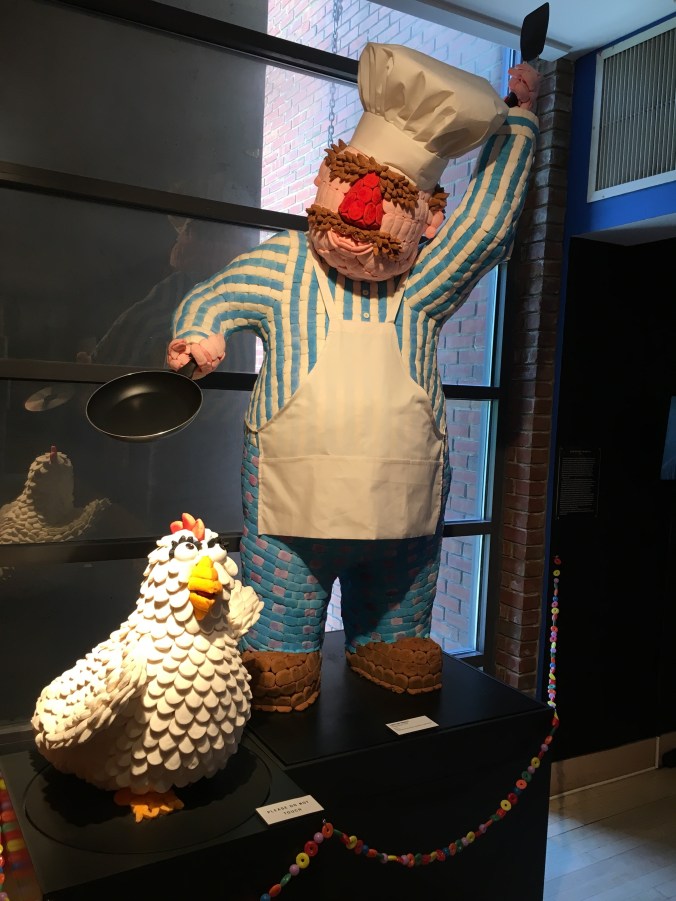
Swpeepish Chef by Christian Twamley

Continue reading

PDX public art

Of Portland, I expected nothing less than some funky and interesting public art. Audacious, touching, poignant, curious – I got the full menu of art experiences from just walking around the city. I love how public art enlivens urban spaces, but perhaps nowhere was this more evident than outside the Oregon Health and Science University Hospital. In a small garden for patients and their families is Sophie Ryder’s sculpture “Standing Lady Hare with Dog.” On one level as simply an animal lover, this is touching. On another level, I love how the tenderness shown in this piece reflects what occurs mere feet away inside the hospital.

Sophie Ryder's Standing Lady Hare with Dog

Continue reading

Modern art at the Reina Sofia

My wife and I have been taking a decidedly “less is more” approach to museum visits on our last few trips.  When our plans for Madrid started to come together, it was pretty clear there were two can’t miss museums for us – the Museo del Prado (no photography allowed inside, so I won’t write here about it other than to say it was a remarkable experience to roam through it on a rainy fall day) and the museum of 20th century art, the Museo Nacional Centro de Arte Reina Sofía.

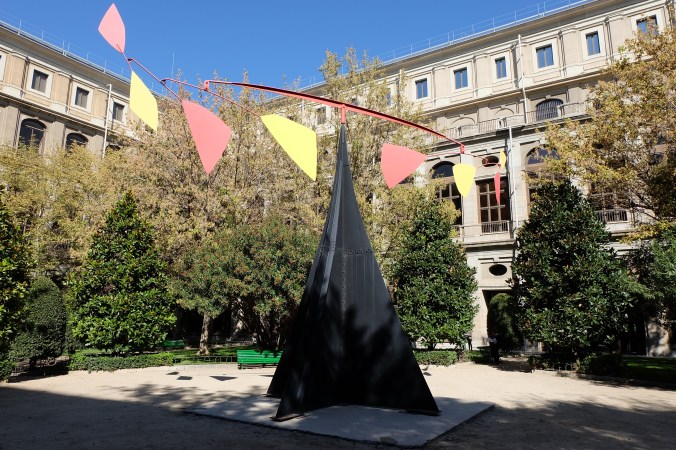
I generally favour more modern art, so the Reina Sofía was actually higher on my list than the Prado.  There were a number of pieces I was very excited to see inside the museum, but on entry, I was surprised (really, it was only a lack of advance reading/research) to find some great modern pieces in an outside courtyard by some of my favourite artists.  First, “Carmen” by Alexander Calder caught my attention and brought me back to a childhood experience of seeing a Calder piece in Montreal as well as seeing some of his other installations in Seattle, Chicago, Philadelphia, and outside Copenhagen.

"Carmen" by Alexander Calder

Continue reading

24 hours in Naples: The museum

The one night we scheduled in Naples was primarily so we could visit the National Archeological Museum.  In and of itself, it wouldn’t be the type of museum that would bring me to the city, but I knew that visiting here would give much added context and background to a visit to the ruins at Pompeii that would be coming up a couple of days later.

The museum houses an interesting collection of artifacts from Pompeii – from large works of art taken from the site to every day tools and utensils.  We spent a couple of hours browsing the collections and it was a great investment in time that I can’t recommend enough.   When we visited Pompeii two days later, we could stand in the ruins and recall the mosaics, paintings and statues we had seen a few days earlier.

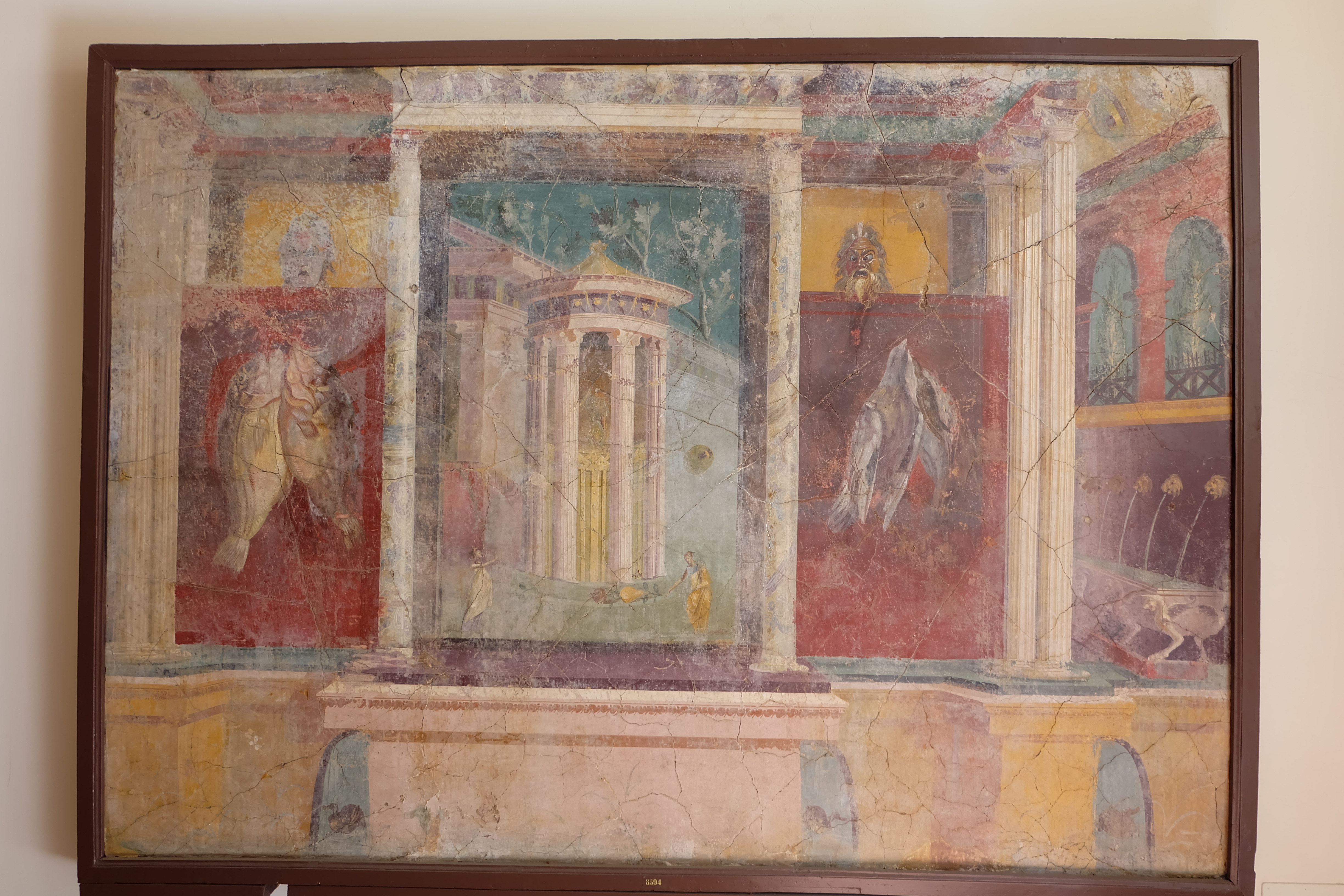
When we were at Pompeii we kept thinking back on the vividness of the colours in much of the art and how the pieces we had seen would have looked in context in the ancient city.  A great example is this painting from the House of Pansa representing fish and game.  At Pompeii, the House of Pansa is in a fairly poor state of repair – thinking back on this piece helped us visualize a bit better.

Painting from the House of Pansa representing fish and game

Continue reading